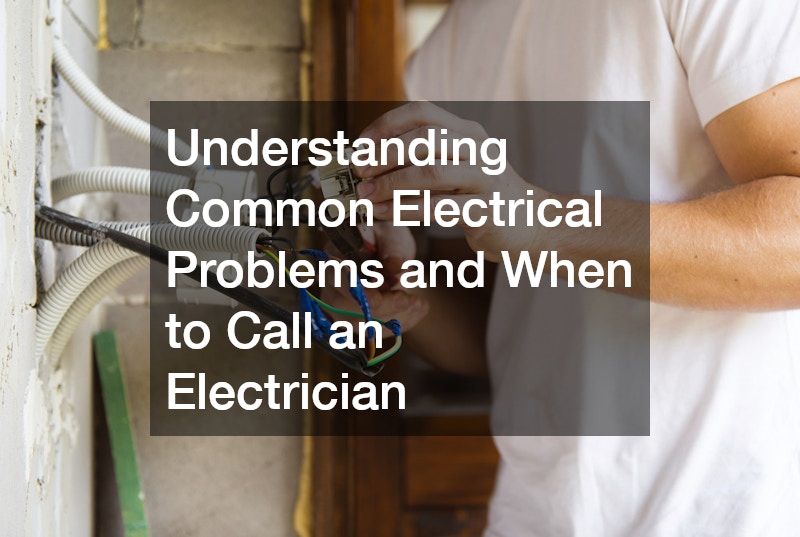
Understanding Common Electrical Problems and When to Call an Electrician
Electrical systems are a big part of everyday life, from powering your lights and appliances to keeping your home safe and comfortable. But like anything complex, wiring and components can develop issues over time. Knowing how to spot common electrical problems and when to call a qualified electrician can save you time, money and, most importantly, help prevent dangerous situations.
Here’s a practical guide to help you understand typical electrical issues homeowners deal with and why calling a professional is often the safest move.
Common Electrical Problems in Homes
Every home runs into electrical quirks now and then. Some are minor and easy to sort out, while others point to bigger issues that need professional attention.
1. Flickering or Dimming Lights
Flickering lights might seem like a small annoyance, but they can signal loose wiring, overloaded circuits or issues with your electrical panel. Lights dimming when an appliance kicks in can be normal, but if it keeps happening, it’s worth getting an electrician to check it out and rule out any safety risks.
2. Frequent Tripped Circuit Breakers
Circuit breakers are there to protect your home from overloads. If one’s tripping all the time, it could mean too many devices are pulling power on the same circuit, or there’s a fault in the wiring or an appliance. Resetting it over and over isn’t a real fix—it’s a sign you should get an electrician in to find the cause.
3. Dead or Warm Outlets
Outlets that don’t work are frustrating, but ones that feel warm are a real warning sign. Heat can mean poor connections or overloaded circuits, which increases the risk of fire. It’s best to have a licensed electrician take a proper look.
4. Buzzing Sounds From Switches or Panels
Electrical components should be quiet. If you hear buzzing or crackling from switches, outlets or your electrical panel, it could point to loose connections or arcing—both serious fire hazards. Switch off the circuit if you can and call an electrician straight away.
5. Burning Smell or Scorch Marks
Any burning smell or visible scorch marks near outlets, switches or wiring is a serious issue. These signs usually mean overheating or electrical arcing, which can lead to fires quickly. Don’t wait—call an electrician immediately.
When to Call an Electrician
Some electrical jobs might look simple, but electricity’s not something to take lightly. There are times when it’s best to leave it to a professional.
Persistent or Unexplained Issues
If problems keep coming back or you can’t figure out what’s causing them, it’s time to call in a professional. An electrician has the tools and know-how to track down hidden faults before they become dangerous.
Upgrading or Installing New Circuits
Adding new appliances, renovating or upgrading your electrical panel involves complex work that needs to meet safety standards and local regulations. A qualified electrician will make sure everything’s done properly and safely.
Safety Upgrades & Compliance
Older homes don’t always meet current safety standards. An electrician can assess your system and recommend upgrades like RCDs (Residual Current Devices) and safer wiring to better protect your home and family.
After Power Surges or Storm Damage
Severe weather or power surges can damage wiring and appliances. Even if everything seems fine afterwards, there could be hidden issues. An electrician can carry out a thorough inspection to make sure it’s all safe.
Why Hiring a Professional Electrician Matters
Electrical work isn’t just about fixing a problem—it’s about making sure your whole system is safe and reliable. Licensed electricians go through extensive training to understand wiring systems, safety codes and best practices. Trying to tackle serious electrical issues yourself can lead to shocks, fires or costly mistakes.
Bringing in a professional means the job’s done safely, efficiently and to the right standard, giving you peace of mind that your home’s in good hands.